Clothes That Move With You: The Science and Soul of 4D Fashion Design
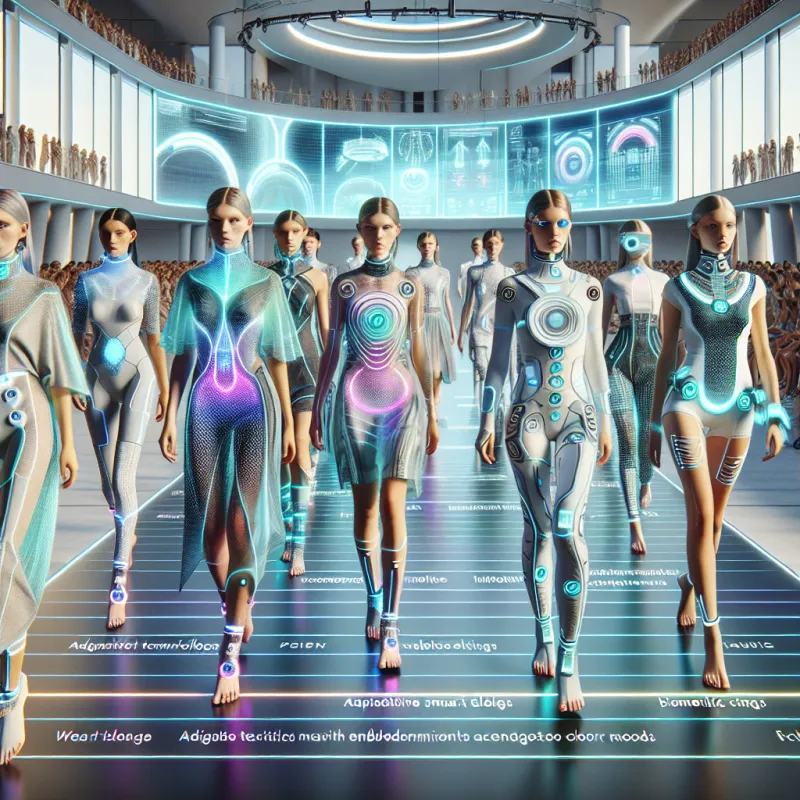
Photo: futuristic modular fashion design adaptive clothing technology, via mainifesto.com
For most of fashion history, clothing has been a one-way conversation. You put it on, it sits there, and you wear it until it's time to take it off. Simple. But something is shifting — and not just on the runways of New York or LA. A growing wave of designers, material scientists, and forward-thinking brands are rethinking the entire relationship between a garment and the person wearing it. The result? Clothing that doesn't just dress you — it responds to you.
This is the fourth dimension of fashion, and it's changing everything.
Beyond Three Dimensions: What "4D" Actually Means in Clothing
In geometry, the fourth dimension is time — the idea that an object doesn't just occupy space but also changes through it. Applied to apparel, that concept becomes something genuinely exciting. A 4D garment isn't just designed to look good in a single moment. It's engineered to evolve: to shift with your body, adapt to your environment, and transform its function or silhouette depending on what you need.
Think of a jacket with modular panels that can be zipped on or off depending on the weather. Or a dress woven from shape-memory fibers that subtly adjust their structure as your body temperature rises during a long workday. Or a hoodie layering system where each piece works independently or together, creating entirely different visual profiles from the same wardrobe staples.
This isn't just novelty. It's practical, wearable design philosophy — and it's exactly what 4D Apparel was built around.
Fabric Technology Is the Real Game-Changer
None of this would be possible without some seriously impressive material science running underneath it all. The fabrics driving the 4D movement aren't your standard cotton-poly blends. We're talking about textiles that have been engineered at the fiber level to do things traditional fabrics simply can't.
Shape-memory polymers are one of the most talked-about innovations in this space. These synthetic materials can be programmed to return to a specific shape after being stretched, compressed, or exposed to heat. In practical terms, that means a sleeve that adjusts its drape as you move, or a collar that holds its structure even after hours of wear.
Thermochromic and photochromic dyes add another layer — literally. These color-reactive compounds shift hue in response to temperature or UV exposure, meaning the same shirt you wear into work in the morning might look subtly different by the time you're heading to dinner in the evening sun. It's a wardrobe effect built right into the fabric itself.
And then there are bio-responsive textiles — a newer frontier where materials interact with the wearer's sweat, skin temperature, or movement patterns. Some high-performance versions can open microscopic ventilation channels when you heat up or tighten their weave when conditions cool down. The garment is, in the most literal sense, listening to your body.
Modular Systems: One Wardrobe, Infinite Configurations
One of the most consumer-friendly expressions of 4D design thinking is the modular clothing system. Instead of buying a complete, fixed outfit, you invest in a set of interconnected pieces that can be combined, layered, and reconfigured into dozens of distinct looks.
This approach resonates deeply with how Americans actually live and dress. We're a culture of context-switching — gym to office to happy hour, weekend road trip to city brunch. The idea that a single wardrobe system could flex across all those moments without requiring a total outfit overhaul is genuinely compelling.
Modular systems also push back against fast fashion's disposability problem. When a piece is designed to work in ten different configurations, its perceived value — and its actual lifespan in your closet — goes way up. You're not buying a shirt. You're buying a building block.
Adaptive Design and the Body in Motion
Beyond materials and modularity, 4D fashion also challenges how garments are cut and constructed in the first place. Traditional pattern-making assumes a relatively static body — standing, sitting, maybe walking. But your body is constantly moving, compressing, expanding, and shifting weight.
Adaptive design takes that reality seriously. Articulated seams placed at key flex points — knees, elbows, shoulders — allow garments to move with the body instead of fighting against it. Stretch panels integrated into structured pieces give you the tailored look of a fitted blazer with the comfort range of a soft-shell jacket.
This is especially meaningful for people whose bodies don't fit neatly into standard sizing. 4D design principles naturally accommodate a wider range of body types because the garment is built to flex, not to force.
Why This Moment Matters
We're at an interesting cultural crossroads. Consumers — especially younger ones — are more aware than ever of what they're buying and why. They want clothes that do more, last longer, and mean something. At the same time, they're not willing to sacrifice style for function. The era of choosing between looking good and feeling comfortable is over.
4D fashion sits right at that intersection. It offers the aesthetic ambition of high-concept design with the real-world performance of technical apparel. And as the technology matures and becomes more accessible, it's moving from avant-garde runway moments into everyday closets.
At 4D Apparel, that's exactly the space we're operating in — not fashion for its own sake, but style that actually works in the dimensions of your real life. The fourth dimension isn't some abstract idea. It's the time you spend living in your clothes, and it deserves to be designed for.
The Future Is Already Getting Dressed
So what does all of this look like going forward? Expect to see more brands investing in modular collections, more fabric tech crossing over from athletic wear into everyday fashion, and more consumer education around what "adaptive" and "responsive" actually mean on a clothing tag.
The designers and brands leading this charge aren't just making interesting clothes — they're redefining what clothes are for. And honestly? It's about time.