Your Clothes Have a Story Now — And They're Telling It Themselves
There's a denim jacket in the back of most American closets. You know the one. Bought years ago, worn through a dozen different phases of life, patched maybe once. It's got history — you just can't prove it. No receipts, no photos, no record of the Saturday it got rained on at a music festival or the winter it basically became a second skin.
That's about to change. Quietly, and faster than most people realize, the fashion industry is embedding memory directly into clothing. Not metaphorically — literally. Chips, codes, and verification systems are turning individual garments into self-documenting objects. The wardrobe of the future doesn't just hold your clothes. It holds their entire biography.
The Tech Behind the Tag
Forget the flimsy paper tag you rip off and throw away. The new generation of garment identification is woven into the fabric itself — sometimes literally.
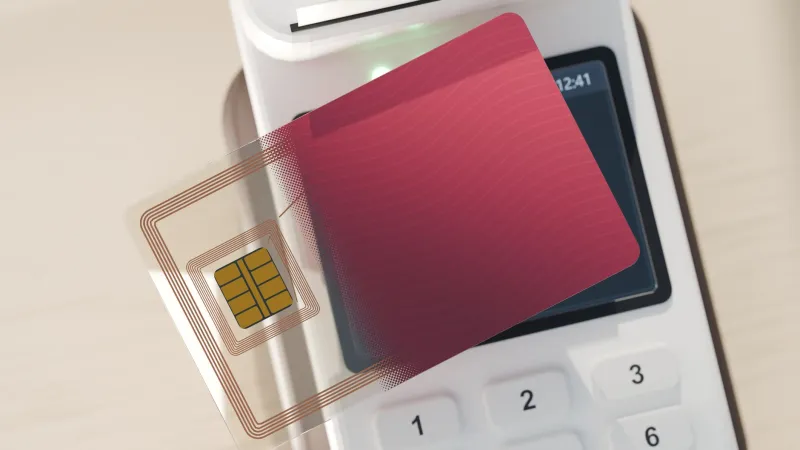
NFC (Near Field Communication) chips are already showing up in luxury pieces and streetwear drops from brands testing the concept. Tap your phone to a specific point on the garment, and you're connected to a digital profile: the factory it came from, the materials used, the carbon footprint of its journey to your door. QR codes embedded in linings or printed on interior labels are doing similar work at a lower cost, making the technology accessible to mid-market brands, not just high-end players.
Then there's blockchain. It sounds abstract, but the application here is pretty concrete — blockchain creates an unalterable chain of records for a garment, from raw material sourcing through manufacturing, shipping, retail, and eventually resale. Every step gets logged. Every claim about sustainability or ethical production becomes verifiable rather than just a marketing bullet point on a hang tag.
Some of the more experimental end of the market is going even further. Researchers and startups are developing fibers that respond to environmental data — temperature, UV exposure, moisture — and log that information over time. The fabric itself becomes the record-keeper.
What This Means for How You Actually Shop
Here's where it gets interesting for the average consumer. Right now, buying clothes online in the US is still largely a leap of faith. You trust the product description, you hope the sizing chart is accurate, you take the sustainability claims at face value. Smart garment tech is starting to close that trust gap in a real way.
Imagine scanning a coat before you buy it and seeing not just its listed specs, but a verified chain of custody — the wool farm, the mill, the factory, the shipping route. Or buying a secondhand piece on a resale platform and being able to confirm it's the authentic item the seller claims it is, complete with its original care history. The authentication use case alone is massive in a resale market that's projected to hit $70 billion in the US by 2027.
For shoppers who care about sustainability — and the numbers show that cohort is growing, especially among younger buyers — this kind of transparency is a genuine game changer. It turns "sustainably made" from a vague promise into a documented fact you can verify in seconds.
The Style History Angle Nobody's Talking About Enough
Okay, so provenance and sustainability tracking — those are the obvious applications. But there's a more personal dimension to this tech that's getting less attention, and it's genuinely fascinating.
Some platforms and brands are starting to build tools that let you log how you've styled and worn individual pieces over time. Connect that to a smart tag system, and you've got something remarkable: a garment that accumulates a styling history. You can look back and see that your gray blazer has been worn 47 times, styled 12 different ways, and hasn't been touched in six months. Suddenly your wardrobe decisions become data-informed rather than purely instinctive.
This matters more than it might sound. One of the biggest inefficiencies in how most people manage their wardrobes is that they genuinely don't know what they wear. Studies consistently show that Americans wear a fraction of what they own. Smart garment tracking turns that vague sense of "I never wear this" into an actual number — and that changes behavior. You buy more deliberately. You reach for underloved pieces on purpose. You stop replacing things that don't actually need replacing.
At 4D Apparel, we think about clothing as something that exists across time, not just as a static object you buy and hang up. Style is dimensional — it's shaped by context, memory, and repetition. A garment that can document its own journey through your life is, in a real sense, participating in your style story rather than just sitting in it.
The Privacy Conversation We Have to Have
None of this comes without a legitimate question: who owns the data?
If your jacket is logging where it's been and how it's been worn, that's personal information. The industry is still working out the frameworks here, and consumers should be paying attention. The best implementations give wearers full control — you opt in to tracking, you own your data, you can wipe the record if you choose. The worst-case scenario looks a lot like the early days of app permissions, where data got harvested in ways users didn't fully understand.
The good news is that the conversation is happening early, before the technology is fully mainstream. Advocacy groups, sustainability-focused brands, and some forward-thinking legislators are already pushing for clear standards. If you're buying into smart garment tech, look for brands that are explicit about data ownership — it should be yours, full stop.
Where This Is Headed
We're still early. Most American consumers haven't knowingly interacted with a smart garment yet, though that's shifting quickly as more brands pilot the technology in new drops and limited collections. Within the next few years, expect it to become a standard feature at multiple price points — not just a premium differentiator.
The longer arc is toward wardrobes that function more like living systems than storage units. Clothes that communicate their history, verify their origins, document their styling life, and help you make smarter decisions about what to keep, what to pass on, and what to buy next. That's a fundamentally different relationship with clothing than most of us grew up with — and honestly, it's a better one.
Your clothes have always had stories. Now they're finally getting the tools to tell them.