Your Size, Finally: How AI Measurement Tech Is Making Online Clothes Shopping Actually Work

The Return Pile Problem Nobody Wants to Talk About
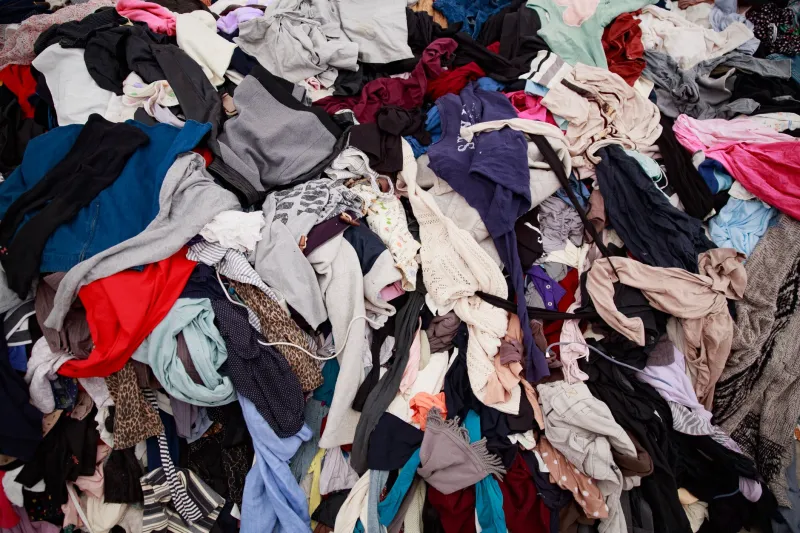
Here's a number that should make every online shopper feel a little less alone: the average return rate for apparel bought online in the US hovers somewhere between 20 and 40 percent, depending on the category. That's not a glitch in the system. That's the system. Sizing has been broken for decades — wildly inconsistent across brands, often disconnected from how real bodies are shaped, and completely blind to how different fabrics behave once they're actually on a person.
For a long time, the only fix was to order three sizes, try them all on in your living room, and ship two back. Inconvenient for shoppers. Expensive for brands. Genuinely bad for the planet. But a new wave of AI-powered sizing technology is starting to close that gap — and the implications for how we get dressed in a digital-first world are pretty significant.
What AI Sizing Actually Does (It's More Than a Size Chart)
Let's clear something up right away: AI sizing isn't just a fancier version of the dropdown menu where you pick Small, Medium, or Large. It's a fundamentally different approach to matching a garment to a body.
The more sophisticated tools on the market right now use a combination of machine learning, 3D body modeling, and real customer data to build what's essentially a personalized fit profile. Some platforms ask you to input a handful of measurements — chest, waist, hips, inseam — and then run those numbers against a model trained on millions of fit outcomes from actual shoppers. Others go further, using your phone's camera to generate a 3D scan of your body from two photos, capturing not just circumference but posture, proportion, and the subtle asymmetries that make every body genuinely unique.
Brands like True Fit, Fit:Match, and Sizebay are among the companies building this infrastructure, and major retailers are integrating these tools into their shopping experiences at a growing pace. The goal isn't just to tell you what size to pick — it's to predict how a specific garment, in a specific fabric, from a specific brand, is going to sit on your particular body.
Fabric Is Part of the Equation Now
One of the most underappreciated pieces of this puzzle is fabric behavior. A size 10 in a structured cotton blazer fits completely differently than a size 10 in a draped viscose dress — and that difference has nothing to do with your body and everything to do with how the material moves, stretches, and holds its shape.
Next-generation sizing algorithms are starting to factor this in. By combining garment construction data (things like fabric composition, cut, and ease allowances) with body measurements and historical fit preferences, these systems can make recommendations that account for the actual physics of how a piece of clothing is going to behave. That's a meaningful leap beyond anything a traditional size chart can do.
For shoppers who've spent years navigating the frustrating reality that they're a medium in one brand and an extra-large in another, this kind of granularity is genuinely useful. It reframes sizing not as a fixed label but as a relationship between a garment and a body — which is exactly what it's always been, just rarely acknowledged.
Body Diversity Is Finally Getting Factored In
Traditional sizing was built around a narrow set of body proportions that never reflected the actual range of how people are shaped. Someone with a smaller waist and fuller hips, or broader shoulders relative to their chest, or a longer torso — these aren't edge cases. They're just people. And standard size charts have been failing them for a long time.
What makes AI-powered sizing genuinely exciting from a fashion innovation standpoint is its capacity to learn from bodies that don't conform to the old templates. The more data these systems collect, the better they get at understanding fit across the full spectrum of body shapes, sizes, and proportions. Brands that invest in inclusive training data are starting to build tools that work for a much wider range of customers — not just the ones who happen to fit neatly into a conventional size run.
This matters a lot in the US market specifically, where body diversity is enormous and the demand for inclusive fashion has never been louder. Getting fit right isn't just a customer experience issue — it's a statement about who a brand thinks its customer actually is.
The Preference Layer: Fit Isn't Just About Measurements
Here's something the best AI sizing tools are starting to understand: fit is personal in a way that goes beyond numbers. Some people want their jeans to sit loose at the thigh. Some people want their blazers to hit exactly at the hip. Some people like a little extra room in the shoulders and some people don't. These aren't quirks — they're preferences, and they're part of what makes a piece of clothing actually feel like yours.
The most advanced platforms are building preference layers into their fit profiles, learning over time how individual shoppers like things to fit and weighting their recommendations accordingly. The more you interact with the system — rating how things fit when they arrive, flagging what you kept versus returned — the sharper it gets at predicting what you'll actually love.
It's a feedback loop that gets more useful the more you use it, which is a pretty different relationship than the one most of us have had with online shopping.
What This Means for the Future of Getting Dressed
The short version: the gap between shopping online and shopping in a store is getting smaller, and it's AI that's closing it. For a long time, the fitting room was the thing e-commerce couldn't replicate — that moment of actually putting something on and knowing immediately whether it works. Smart sizing technology won't fully replace that experience, but it's getting close enough to change the math.
For brands, the upside is obvious: fewer returns, higher customer satisfaction, and better data on how their garments actually fit in the real world. For shoppers, it means less guesswork, less waste, and a lot fewer trips to the post office with a bag full of things that didn't work out.
At 4D Apparel, we think about clothing as something that should work in every dimension of your life — and fit is the most foundational dimension of all. A piece that doesn't fit isn't just uncomfortable. It's a piece you'll never reach for, which means it's a piece that never gets to do what it was designed to do.
AI sizing is making it easier to get that part right from the start. And honestly? It's about time.