Layer by Layer: How Stacking Clothes Creates Style With Actual Depth
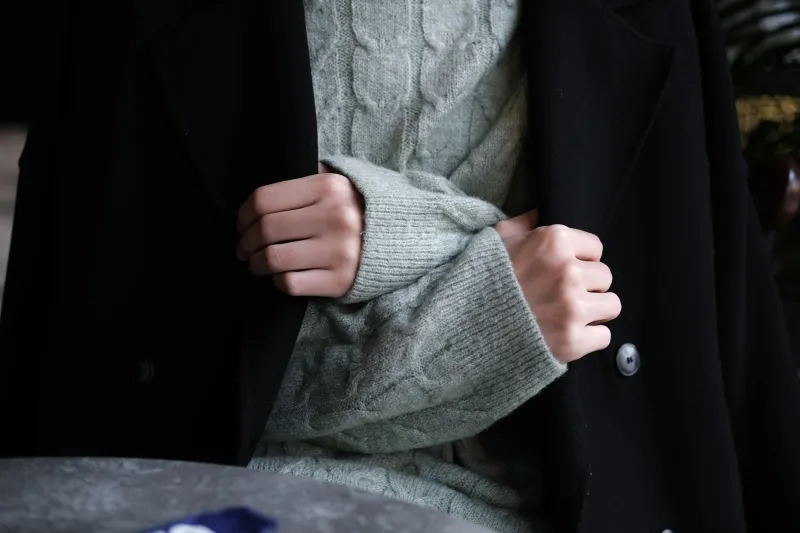
Most people think about layering the same way they think about packing for a trip to Chicago in March — purely practical, purely defensive. You throw a jacket over a shirt because you might get cold. Fine. But that's leaving an enormous amount of creative real estate completely untouched.
Intentional layering — the kind that actually transforms how an outfit reads — is something different. It's about using depth as a design tool. It's about building outfits that have layers of meaning, not just layers of fabric. Done right, a single outfit becomes a kind of visual conversation that changes depending on what you show, what you conceal, and what you let peek through.
This is where multidimensional dressing starts to get genuinely interesting.
The Difference Between Stacking and Piling
Before anything else, let's draw a line between layering with purpose and just wearing a lot of clothes at once. The difference isn't about quantity — it's about intention.
Piling is reactive. You grab what's clean, what's warm, what's nearby. The result is an outfit that reads as busy or confused, where nothing quite belongs with anything else.
Stacking is proactive. You're choosing each piece with an awareness of how it interacts with what's above and below it — in terms of color, texture, weight, and silhouette. Every layer is either doing visible work or setting up the layer on top of it to do visible work. Nothing is dead weight.
The goal isn't to wear more. It's to make what you're wearing do more.
Sheer and Semi-Transparent Layers: The Art of the Reveal
One of the most underused tools in the layering toolkit is the sheer overlay — a mesh top, a gauzy button-down worn open, a lightweight organza piece over a solid base. What makes these pieces so powerful is that they don't hide what's underneath. They reframe it.
A graphic tee worn under a sheer long-sleeve shirt becomes something more editorial. The graphic is still visible, but it's softened, filtered, given context. You're not just wearing two pieces — you're creating a visual effect that neither piece could produce alone.
The same logic applies in reverse. A bold, patterned underlayer peeking through a neutral sheer creates movement and complexity without screaming for attention. It rewards a second look. That's exactly the kind of dimensionality that elevates an outfit from assembled to considered.
Texture Contrast as a Layering Strategy
Color gets most of the credit in conversations about layering, but texture might actually be doing more of the heavy lifting. When you stack pieces with genuinely different surface qualities — say, a ribbed knit vest over a crisp poplin shirt, or a matte bomber over a slightly shiny turtleneck — the contrast creates visual interest that color alone can't manufacture.
Texture contrast also does something subtle and important: it makes the individual pieces more visible. When everything in an outfit has a similar surface, the layers start to blend into each other. When they contrast, each piece holds its own identity while still contributing to the whole.
A few combinations worth experimenting with:
- Denim over satin — the roughness of the denim makes the satin underneath look more intentionally luxurious
- Chunky knit over a slim turtleneck — creates proportion play while keeping the outfit grounded
- Leather or faux-leather over a flowing fabric — structure and softness in direct conversation with each other
None of these are new combinations, but what's new is treating them as a system rather than a coincidence.
Color Layering: Depth Without Matching
Here's a rule worth unlearning immediately: layers don't need to match. They need to relate.
Matching is flat. When every layer is the same color or pulled from the same tight palette, the outfit reads as a single note. Relating means your colors have a conversation — they might contrast, they might echo each other from different tonal families, or they might create a gradient effect as you move from base layer to outer layer.
One approach that works surprisingly well is tonal layering with a single disruptive accent. Imagine a cream base layer, a warm oatmeal mid-layer, and a camel outer piece — then one layer, maybe a collar or a cuff, in a deep rust or olive. The monochromatic stack becomes a backdrop for that one point of color tension. The whole outfit suddenly has a focal point it didn't have before.
Another approach is the color bleed — where each layer introduces a slightly shifted version of the same hue, moving from light to dark or warm to cool as the layers build. It's subtle, but it creates a sense of visual momentum that a flat outfit just doesn't have.
Proportion and Silhouette: How Layers Shape the Overall Form
Layering isn't just a surface-level game. It physically changes your silhouette, and that's worth thinking about deliberately.
The most common layering mistake is adding bulk without intention — wearing a thick hoodie under a jacket and ending up looking like you borrowed someone else's body. The fix isn't to avoid layers; it's to think about the shape you're building.
Slim-over-slim layering (think a fitted long-sleeve under a fitted turtleneck) keeps the silhouette clean while adding visual depth. Volume-over-slim (an oversized blazer over a form-fitting base) creates contrast and structure. Slim-over-volume (a cropped fitted layer over a flowy base) adds definition to a more relaxed foundation.
The point is that your layers are sculpting a shape. That shape is part of the outfit's meaning. A structured, tailored stack reads differently from a loose, drapey one — and both are valid, as long as they're chosen rather than accidental.
Building a Layering-Ready Wardrobe
You don't need to overhaul your closet to start layering with more intention. What you need are a few key building blocks:
Thin, versatile base layers. These are the foundation everything else builds on. They should be comfortable, relatively neutral, and slim enough to not add unnecessary bulk under other pieces.
Mid-layers with texture or visual interest. This is where you get to be expressive. Knits, structured shirts, vests, lightweight jackets — pieces that can either be the star or play a supporting role depending on what's around them.
At least one sheer or semi-transparent piece. It doesn't have to be dramatic. Even a lightweight linen overshirt worn open can introduce the kind of layered depth we're talking about.
Outer layers that frame rather than bury. A great outer layer doesn't smother the layers underneath — it gives them a context. Think of it as the frame around a piece of art. It should enhance what's inside it, not compete with it.
The Outfit That Shifts With You
Here's the thing about intentional layering that doesn't get said enough: it makes your outfit flexible. When you've stacked pieces with care, removing a layer doesn't break the outfit — it reveals a different version of it. That's the real payoff.
You walk into the office with the full stack. You take off the outer layer for lunch. You add a piece back for the evening. Each iteration is coherent. Each one is slightly different. You've essentially built multiple outfits into one.
That's what 4D dressing actually looks like in practice — not just clothes that look good, but clothes that work across time, context, and the reality of how you actually live your day. Layering with intention is one of the simplest, most accessible ways to get there.