One Piece, Infinite Outfits: Your Starter Guide to Modular and Convertible Clothing
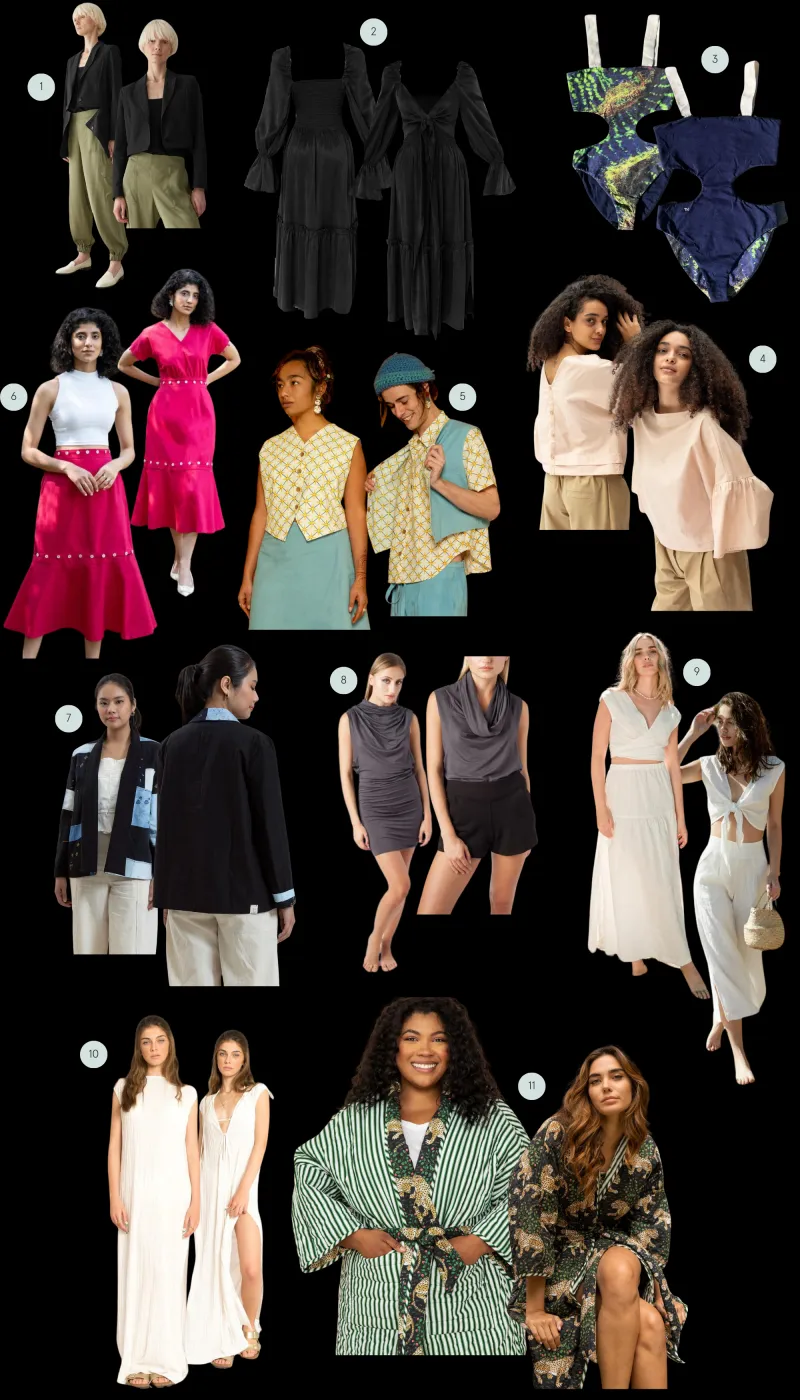
Photo: convertible modular clothing reversible jacket multiple ways to wear flat lay, via goodonyou.eco
Let's be honest: most of us have a closet that's somewhere between "organized chaos" and "where did I even get that?" We own a lot of clothes, wear a fraction of them regularly, and still somehow feel like we have nothing to wear. It's a deeply relatable problem — and a deeply inefficient one.
Enter the modular clothing movement. It's not a trend in the traditional sense — it doesn't have a single aesthetic or a defining silhouette. What it has is a design philosophy: build garments that do more than one thing, so you need fewer things overall. Removable sleeves. Reversible panels. Adjustable hems. Pieces that snap, zip, or fold their way into completely different looks.
Once you start seeing these pieces, you can't unsee them — and once you start wearing them, going back to single-use fashion feels genuinely wasteful.
Why Modular Clothing Is Having a Moment
The timing makes sense. American consumers are increasingly squeezed — by apartment sizes, by travel costs, by a general cultural fatigue with overconsumption. At the same time, people want more from their wardrobes, not less. More versatility. More expression. More value per piece.
Modular design answers all of that at once. A single well-designed convertible jacket can replace a light layer, a heavier coat, a vest, and a travel piece — all in one hanger's worth of closet space. That's not just practical. It's a genuinely different way of thinking about what clothing is for.
Designers are catching on. Labels from high-end brands like Issey Miyake to accessible US favorites like Athleta and even workwear-focused lines are investing in transformable silhouettes. What used to feel like a niche product category is starting to feel like a design standard.
The Key Categories to Know
Modular clothing covers a lot of ground. Here's a breakdown of the main types and what they're actually good for:
Convertible Outerwear
This is probably the most mature category. Zip-off sleeves have been around forever, but modern convertible coats go way further — think quilted liners that detach to become standalone vests, reversible wool-and-nylon shells that shift from casual to polished depending on which side you wear out, and packable layers with hidden snap systems that change the silhouette entirely.
For anyone who travels or lives somewhere with unpredictable weather (looking at you, Chicago, Denver, and basically everywhere on the East Coast in April), a great convertible coat is genuinely one of the best investments you can make.
Multi-Way Dresses and Skirts
The multi-way wrap dress has been a wardrobe staple for years, but newer versions are more architectural and more interesting. Convertible wrap skirts that can be styled as a top or a dress. Maxi dresses with detachable overskirts that reveal a mini underneath. Pieces with adjustable tie systems that let you create completely different silhouettes from the same garment.
These are especially useful for travel and for people who want a single piece to carry them from a daytime event to an evening one without a full outfit change.
Modular Layering Systems
This is where things get genuinely exciting from a design perspective. Some brands are building entire layering systems — sets of coordinating pieces with compatible snap, zip, or button systems that allow you to combine them in multiple configurations. A base layer that zips into a mid-layer. A collar piece that attaches to three different tops. A skirt panel that converts a casual dress into something more formal.
It's clothing that thinks in combinations rather than individual pieces — which, when you think about it, is how most of us actually get dressed anyway.
Reversible Basics
Don't overlook the humble reversible. A reversible bomber jacket in two complementary colorways effectively doubles your options with zero extra effort. Reversible tote bags, reversible scarves, reversible denim jackets — these are low-commitment entry points into the modular mindset that work for pretty much everyone.
How to Actually Shop for Modular Pieces
Not all convertible clothing is created equal. Here's what to look for when you're evaluating a piece:
Check the hardware. Zippers, snaps, and buttons are the mechanics that make modular clothing work — and cheap hardware fails fast. Look for YKK zippers, reinforced snap placements, and button attachments that are sewn through multiple layers of fabric. If the conversion mechanism feels flimsy in the store, it'll feel worse after a few washes.
Think in configurations. Before you buy, count the actual number of distinct ways you can wear a piece. Two is the minimum for it to qualify as genuinely versatile. Four or more is where you're really getting value. Some brands include styling cards or QR codes that link to tutorials — take advantage of those.
Consider your existing wardrobe. The best modular pieces don't exist in isolation — they plug into what you already own. A convertible blazer is most useful if you already have the pants or dresses to pair it with in its various forms. Shop with your closet in mind, not just the piece in front of you.
Prioritize fabric quality. Modular pieces get handled more than regular garments — they're being zipped, unzipped, reversed, and adjusted constantly. Fabric that pills, fades, or loses its shape quickly will undermine the whole value proposition. Natural fibers and high-quality synthetics are worth the extra spend here.
Building a Modular Wardrobe: A Starting Point
You don't need to overhaul everything at once. Start with a few strategic swaps:
- Replace your current casual jacket with a reversible or convertible option
- Add one multi-way dress or wrap skirt for travel and events
- Look for a modular layering piece — a vest that zips into a jacket, or a top with a detachable collar — to experiment with the concept at low cost
- Swap out a single-use accessory (a scarf, a bag) for a reversible version
From there, let your wardrobe evolve. As you get comfortable with the modular mindset, you'll start seeing opportunities everywhere — and you'll start to notice just how much single-purpose clothing you own that could be replaced by something smarter.
The Bigger Picture
There's something genuinely satisfying about a piece of clothing that refuses to be just one thing. It mirrors the way most of us actually live — moving between contexts, adapting to circumstances, playing different roles depending on the day. Your wardrobe should be able to keep up.
Modular clothing isn't about owning less for the sake of it. It's about owning better — pieces with more dimensions, more potential, more built-in flexibility. That's a philosophy we're fully here for.