The One-Bag Blueprint: Packing a Week of Outfits Into a Single Carry-On
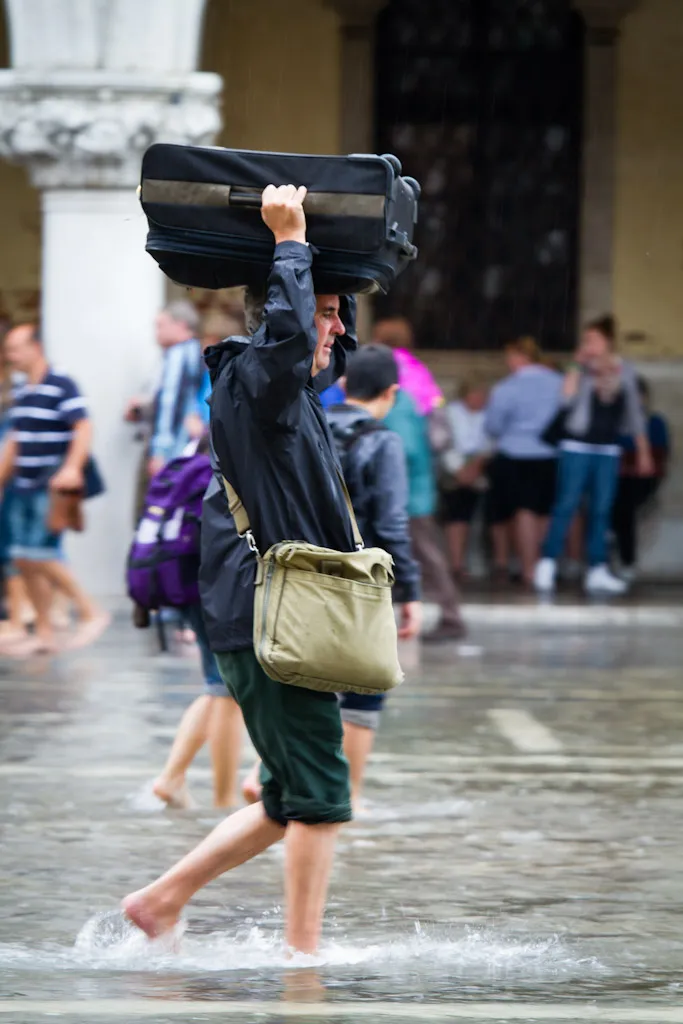
Photo: Edward Dalmulder, CC BY 2.0, via Wikimedia Commons
Somewhere between the return of packed airports and the rise of checked-bag fees that cost more than the flight, a quiet revolution happened in how Americans pack. The one-bag movement — travel with a single carry-on, no exceptions — started as a niche obsession among tech bros and ultralight hikers. Now it's mainstream, and honestly? It's the most practical style philosophy we've encountered.
Because here's the thing: one-bag packing isn't about owning less. It's about choosing smarter. Every piece in the bag has to earn its spot by doing multiple jobs — across climates, occasions, and days. Sound familiar? It's multidimensional design, applied to a suitcase.
Rule 1: Buy in Systems, Not Pieces
The amateur packer shops for clothes. The one-bag traveler shops for combinations. Before your trip, do the math: every item should pair with at least two others in the bag. A shirt that only works with one pair of pants is dead weight.
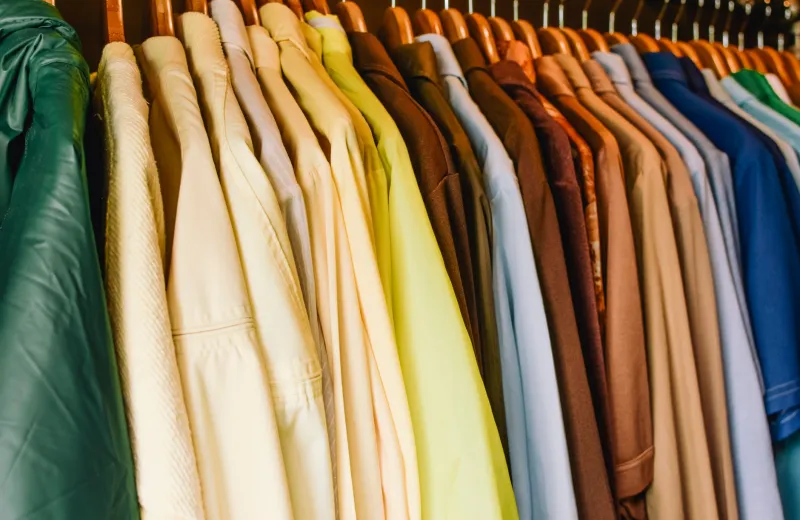
Stick to a tight palette — two neutrals and one accent color is the classic formula. Navy, gray, and olive will get you through a client dinner in Chicago and a brewery patio in Denver without a single outfit repeating visibly.
Rule 2: Pack Transformers, Not Costumes
Convertible and modular clothing has come a long way from zip-off hiking pants (though honestly, we'll defend those too). The modern travel wardrobe is full of pieces engineered to shift:
- The blazer that performs. Technical knit blazers pack to nothing, resist wrinkles, and dress up a tee or dress down under a week of wear.
- Pants that become shorts. Yes, we said it. A well-designed convertible pair is two garments in the space of one.
- The dress that goes both ways. A wrap or jersey dress works with sneakers for daytime and swaps to loafers and jewelry for dinner.
- Merino everything. Merino wool base layers and tees resist odor for days, regulate temperature across climates, and look intentional, not athletic.
Rule 3: Layers Are Your Climate Control
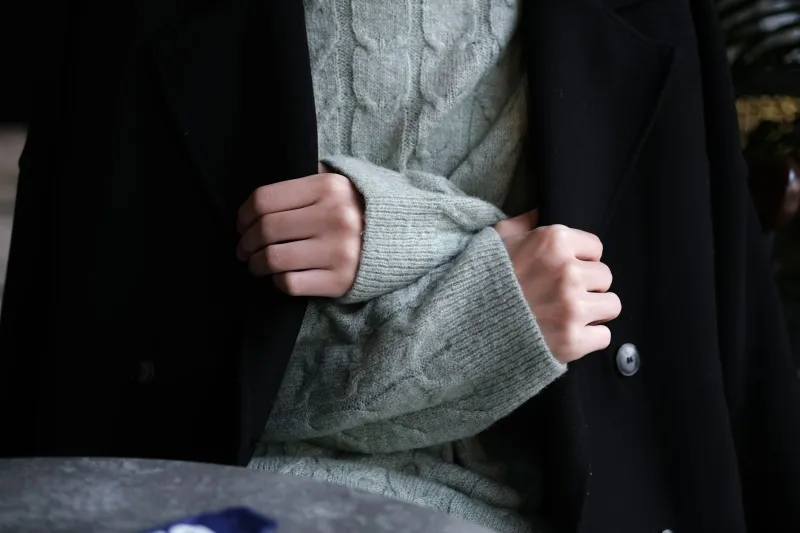
Instead of packing for the forecast, pack a modular layering system: a breathable base, an insulating mid-layer, and a weatherproof shell. Three items cover a 40-degree temperature swing. A single bulky coat covers one.
This is the travel version of dimensional dressing — your outfit isn't one fixed configuration but a stack of components you recombine as conditions change. Cold morning in Portland, warm afternoon, chilly evening? You're adjusting a system, not changing clothes.
Rule 4: Accessories Do the Heavy Lifting
Outfit variety in a small bag comes disproportionately from small items. A scarf, two belts' worth of styling, a cap, and a pair of earrings can make the same base outfit read as three completely different looks. Pack accessories like ammunition.
Shoes are the one place to splurge on slots: two pairs maximum, and both must work with every outfit in the bag. A clean white sneaker and a leather loafer or boot covers virtually every American travel scenario short of a black-tie wedding.
The Sample Blueprint
For a seven-day trip covering mixed climates and occasions:
- Two merino tees, one button-down or knit top
- One technical blazer
- One pair of versatile pants, one convertible or second pair
- One jersey dress or extra layer piece
- One packable insulating layer, one shell
- Two pairs of shoes, worn on travel days
- Accessories to taste — this is where personality lives
That's roughly a week of distinct outfits, gym-to-dinner range, and a temperature band from the mid-40s to the 80s. In one carry-on. With room left for a souvenir.
The deeper payoff isn't the overhead bin space. It's what happens to your decision-making on the road. When every piece works with every other piece, you stop standing in a hotel room at 7 a.m. negotiating with your suitcase. You just get dressed — which, at 4D Apparel, is the entire point.