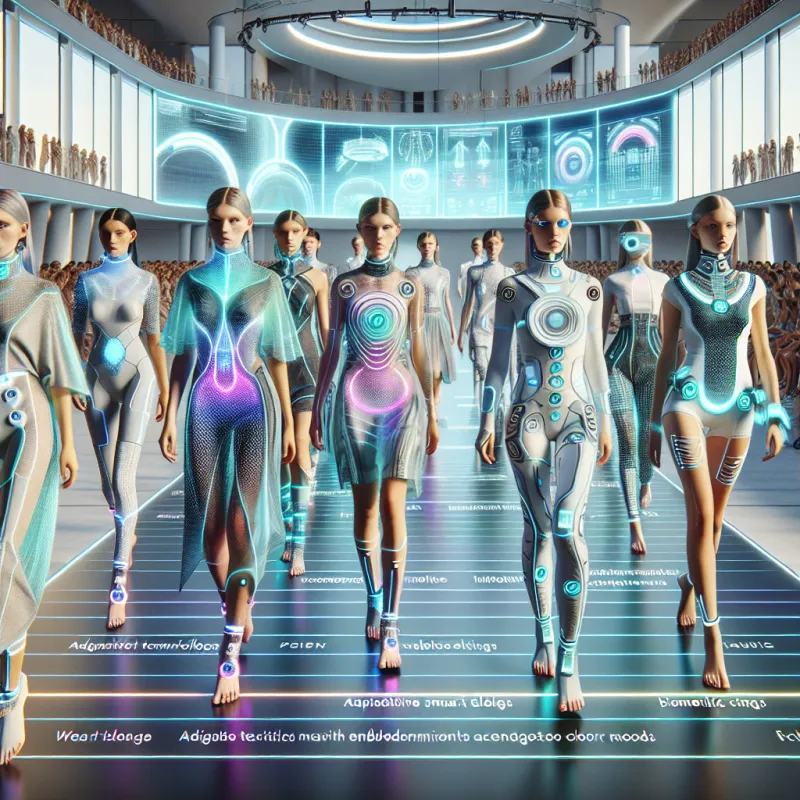
Borrowed Innovation: When Big Fashion Co-Opts the Language of Multidimensional Design
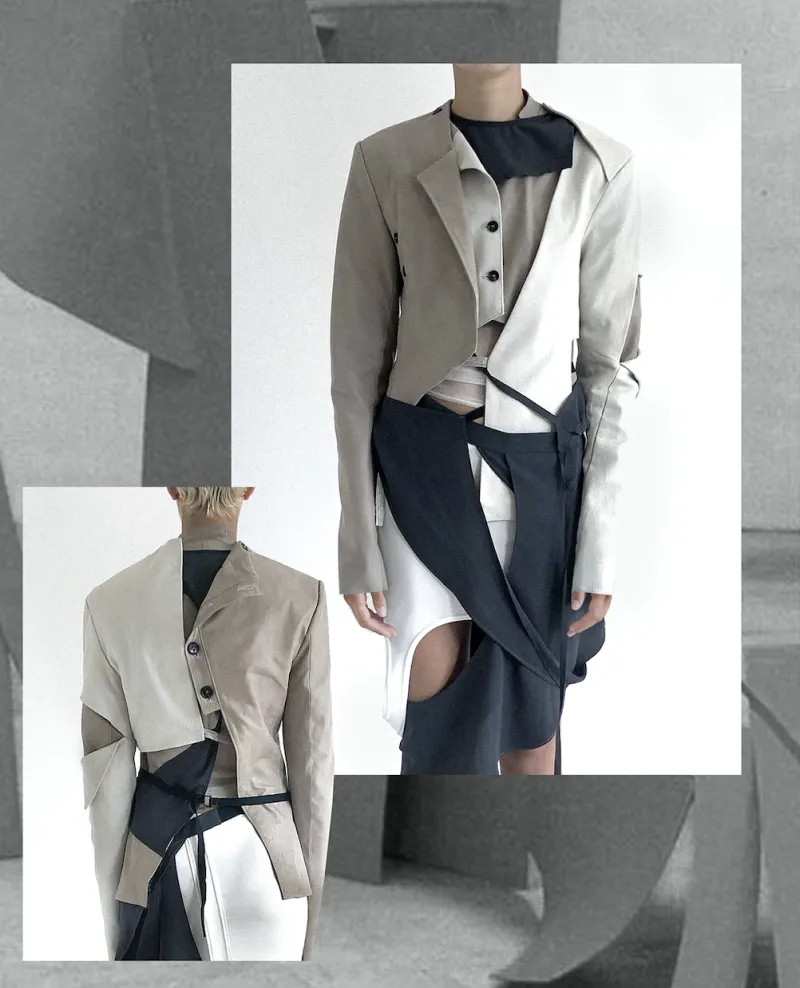
Photo: fashion designer modular clothing concept sustainable design studio, via i.pinimg.com
The Flattery Problem Nobody's Talking About
There's an old saying that imitation is the sincerest form of flattery. In fashion, though, imitation backed by a nine-figure marketing budget is something else entirely. Over the past two years, some of the biggest names in fast fashion have started rolling out what they're calling "adaptive," "modular," or "transformable" clothing lines. The language sounds familiar—because it is. These are the same ideas that smaller, genuinely innovative brands have been building entire identities around for years.
The question worth asking isn't whether big fashion noticed. Of course they did. The question is: what are they actually doing with the concept, and does it hold up under pressure?
What Multidimensional Design Actually Means
Before we get into what's being co-opted, it helps to define the real thing. Multidimensional—or 4D—design isn't a marketing hook. It's a philosophy rooted in the idea that clothing should move with the person wearing it: across contexts, across moods, across the physical and digital spaces we now inhabit simultaneously.
A genuinely 4D garment isn't just a jacket with a detachable hood. It's a piece engineered to function meaningfully differently depending on how it's worn, layered, or styled. The design accounts for the wearer's life in motion—not just a single aesthetic moment. That kind of intentionality takes time, iteration, and a real commitment to the end user's experience rather than the quarterly earnings call.
Modular construction, adaptive textiles, pieces that reconfigure rather than wear out—these ideas emerged from designers who were genuinely trying to solve a problem: the disposability of modern clothing. The sustainability angle wasn't grafted on afterward. It was baked in from the start, because designing for longevity and versatility is inherently less wasteful.
How the Co-Opting Actually Happens
Here's where it gets frustrating. A major retailer—let's not name names, but you've definitely bought something from them—watches the conversation around adaptive fashion build momentum. They run some focus groups. They see that younger consumers, particularly Gen Z shoppers, are responding to words like "sustainable," "modular," and "versatile." So they do what large corporations do: they absorb the language and attach it to products that weren't designed with any of those principles in mind.
The result is a $29 convertible dress made from the same synthetic blend they've always used, sold in a "Conscious Collection" with a hangtag that mentions recycled water bottles. The modularity is cosmetic—a snap here, a tie there. The garment will last maybe two seasons before it pills and loses its shape. But the marketing copy will use words like "timeless," "adaptive," and "designed to evolve with you."
This is greenwashing, yes. But it's also something more specific: it's the dilution of a genuinely progressive design framework for the sake of trend-chasing.
The Consumer Cost of Performative Innovation
When corporations flood the market with watered-down versions of real innovation, a few things happen. First, the original concept gets muddied. Shoppers who encounter a flimsy "modular" piece from a fast fashion giant and find it disappointing may write off the entire category—including the brands actually doing the work well.
Second, it creates a trust problem. Sustainability claims in fashion are already notoriously hard to verify. The Federal Trade Commission has been sharpening its Green Guides precisely because vague environmental marketing has gotten so out of control. When "multidimensional design" becomes just another buzzword on a tag, it makes it harder for consumers to identify brands that are genuinely committed to the concept.
Third—and this one stings—it rewards the wrong behavior. If a corporation can capture the cultural credibility of 4D design without doing the actual design work, why would they invest in the real thing?
How to Spot the Real Thing
This isn't a hopeless situation. Consumers have more investigative tools than ever, and a little scrutiny goes a long way. Here's what to look for when a brand claims to be offering adaptive or multidimensional clothing:
Ask about the design process. Genuine innovation leaves a paper trail. Does the brand talk specifically about how a garment was engineered? Can they explain the material choices and why they support the garment's claimed versatility?
Look at price point versus construction. Real multidimensional design costs something to produce. That doesn't mean innovative fashion has to be inaccessible, but a $25 "transformable" piece deserves serious skepticism. What corners were cut?
Check longevity claims against care instructions. A garment marketed as "built to last" that requires dry cleaning after every wear or falls apart after ten washes isn't delivering on its promise.
Follow the supply chain, not just the story. Many fast fashion brands now publish sustainability reports. Read them critically. Are the "adaptive" pieces actually manufactured differently, or are they standard production items with new marketing framing?
Why Authentic 4D Design Is Worth Protecting
The brands that pioneered multidimensional fashion weren't just chasing aesthetics. They were responding to something real: the way modern life actually works. We move between professional environments and social ones, between physical spaces and digital identities, between seasons and moods. Clothing that genuinely adapts to that complexity isn't a luxury feature—it's a more honest way of making clothes.
When that philosophy gets hollowed out and repurposed as a marketing strategy, it's not just annoying. It's a missed opportunity to actually change how fashion operates. The industry's environmental impact is well-documented and genuinely serious. Modular, long-lasting, versatile design is one of the more credible paths toward reducing it. But only if it's done with integrity.
The good news is that authenticity is hard to fake at scale. Brands that are genuinely committed to multidimensional design tend to show it in ways that go beyond their ad spend—in their community conversations, their design transparency, and the actual durability of their products over time.
What You Can Do Right Now
Vote with your wallet, but do it with information. Before buying into any brand's "adaptive" or "sustainable" line, spend ten minutes on their website looking for specifics rather than vibes. Genuine innovators love to explain their process. Brands that are performing innovation tend to stay vague.
And when you find a brand that's actually doing the work—one whose pieces genuinely shift with your life rather than just promising to—support them. Tell people. Leave a review. That kind of signal matters more than most people realize.
Fashion moves fast. The brands shaping where it actually goes are the ones with a real point of view, not just a responsive trend team. The difference is worth knowing.