Hidden in Plain Sight: How to Mine Your Own Closet for Looks You've Never Worn

Most of us have done it. You stand in front of a full closet, stare at it for a solid three minutes, and announce to no one in particular that you have absolutely nothing to wear. The irony? You're probably looking at hundreds of dollars worth of clothes, at least a dozen pieces you forgot you owned, and a few combinations that could genuinely stop traffic—if only you'd see them.
This is the core idea behind what we're calling the dimensional closet: the understanding that your wardrobe isn't a flat, static inventory. It's a layered system with depth, history, and untapped potential. The problem isn't usually what you own. It's how you're looking at it.
Why Your Brain Stops Seeing What's Already There
There's a psychological concept called habituation—basically, the brain's way of tuning out familiar stimuli so it can focus on new information. It's why you stop noticing the hum of your refrigerator, and it's also why that great blazer you bought two years ago has become invisible to you. Your brain filed it away and moved on.
Fashion brands know this, by the way. The entire retail cycle is engineered around the idea that novelty feels like necessity. But novelty and newness aren't the same thing. A piece you've owned for two years can feel completely new if you encounter it differently—styled against an unexpected partner, worn in a context you've never tried, or simply pulled out and actually looked at.
The goal of wardrobe archaeology is to interrupt that habituation. To see your clothes the way a stylist would if they walked into your closet for the first time.
The Physical Reset: Pull Everything Out
This step feels annoying, and it is, but it's non-negotiable. You cannot see your wardrobe dimensionally when it's compressed into a rod and a stack of folded shelves. Pull everything out—not to Marie Kondo it, but to actually see it.
Lay things out by category first: tops, bottoms, layers, shoes, accessories. Then step back. You're looking for pieces you've mentally retired without officially retiring. The silk blouse that felt too dressy for everyday. The wide-leg trousers you bought on a whim and never figured out. The vintage denim jacket that you've been treating like a costume instead of a wardrobe staple.
These overlooked pieces are usually the most interesting ones. They got sidelined because they didn't fit neatly into your default styling patterns—which means they're exactly where the new dimensions are hiding.
Reframe the Piece, Not the Occasion
Here's a practical exercise: pick one sidelined item and ask yourself why it hasn't been working. Nine times out of ten, the answer comes down to context. You bought it for a specific occasion that never quite materialized, or you've been mentally categorizing it as belonging to a version of your life that doesn't quite exist yet.
Now flip it. Instead of asking when would I wear this, ask what would make this wearable right now. That's a completely different question, and it opens up a lot more creative territory.
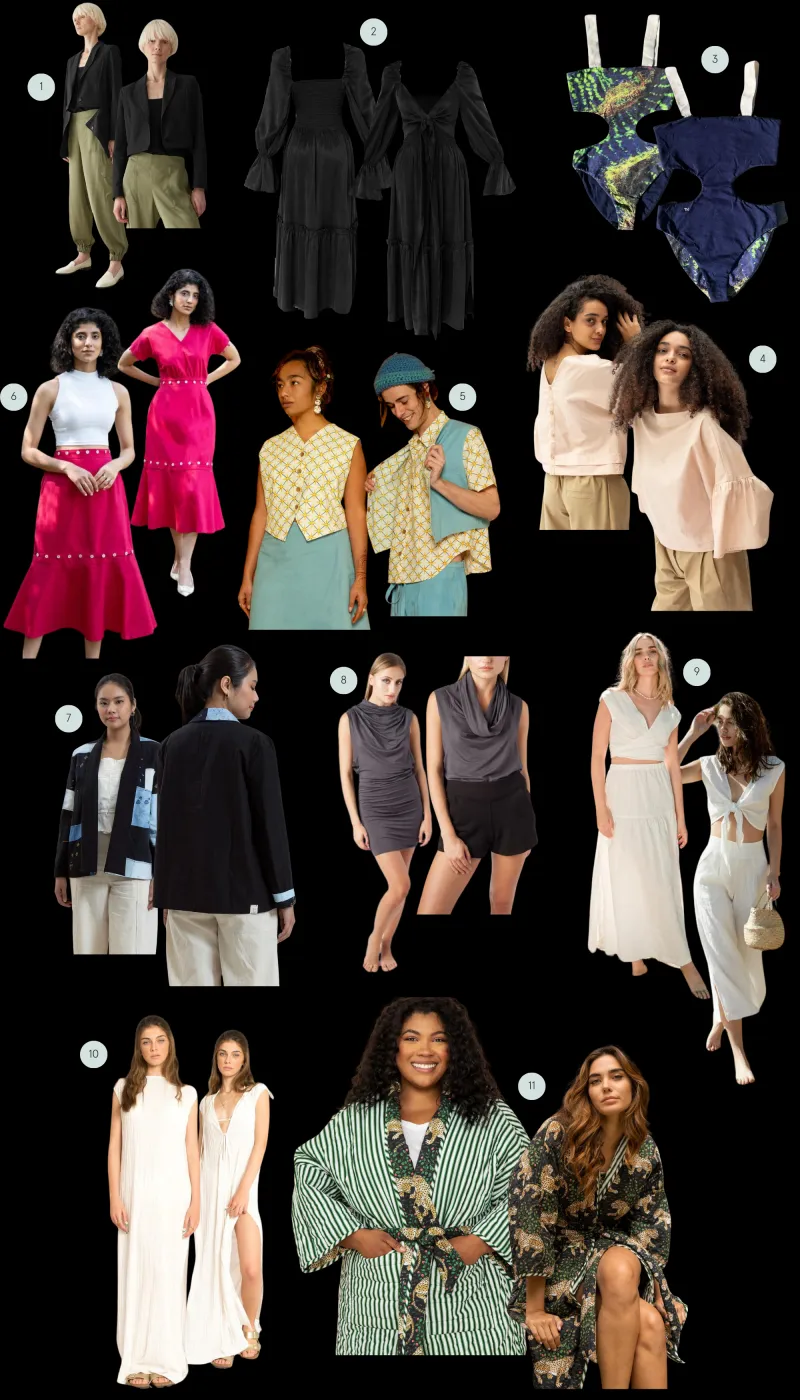
A slip dress that felt too precious for everyday? Throw a worn-in crewneck over it and wear it with sneakers. A structured blazer that felt too corporate? Belt it over a graphic tee and make it the statement piece in a casual outfit. A printed midi skirt that seemed too bold? Ground it with a plain white tee and let the skirt carry the look without competing with anything above the waist.
The piece doesn't change. Your relationship to it does.
The Unexpected Combination Method
Most of us default to what we already know works. Same jeans with the same rotation of tops. Same shoes with the same silhouettes. It's efficient, but it's also a creative dead end.
Try this: pick two pieces from completely different style registers and force them into conversation. A feminine floral top with utilitarian cargo pants. A polished trouser with a faded band tee. A structured coat over a flowy, casual dress. The tension between opposing aesthetics is often where the most interesting looks live—and it's a technique that professional stylists use constantly.
You can also play with proportion in ways you might not have tried. A piece you've always worn tucked in might completely transform when left out. A dress you've only worn as a dress might work as a top over wide-leg trousers. Layering a longer piece under a shorter one flips the visual logic of an outfit in a way that feels genuinely fresh.
Accessories as Dimensional Multipliers
If clothes are your wardrobe's foundation, accessories are the variables that change the equation. A single outfit can read completely differently depending on whether you add a chunky chain, a delicate pendant, a structured bag, or a worn-in baseball cap.
Dig through your accessories with the same fresh-eyes approach you applied to your clothes. That scarf you got as a gift and never quite figured out? Try it as a belt. Those earrings that felt too statement-y? Wear them with something plain and let them do the work. The point isn't to force combinations that don't feel like you—it's to expand what feels like you by testing more possibilities.
Document What Works
This is the step most people skip, and it's the one that makes the whole process stick. When you land on a combination you love, take a photo of it. Not for Instagram (unless you want to), but for yourself. Build a personal lookbook on your phone—even a simple camera roll album works fine.
The reason this matters is habituation again. If you discover a great combination but don't record it, your brain will file it away and you'll forget it existed by next week. A visual reference library of outfits you've actually worn and loved is one of the most underrated styling tools you can have.
The Bigger Picture
Wardrobe archaeology isn't just a styling exercise—it's a genuinely sustainable practice. Every time you rediscover and restyle something you already own, that's a purchase you didn't need to make. In a fashion culture that's constantly pushing you toward the next thing, choosing to go deeper into what you already have is a quiet but real act of creative resistance.
And honestly? The looks that come out of this process tend to feel more personal than anything you'd pull straight off a rack. Because they're built from your actual history—the pieces you chose, the aesthetics you were drawn to, the style experiments that didn't quite land the first time but might be exactly right now.
Your closet has more dimensions than you've been giving it credit for. Time to actually explore them.